When Trust Breaks: Our Experience Leaving Harvest and Building a Replacement
How a price increase led us to cancel Harvest and build our own time tracker in hours using AI-assisted coding. A real story about vibecoding and the changing dynamics of subscription software.

We've been Harvest users for years. It's a time-tracking app we reviewed positively on our blog and recommended to others. It did what we needed, and we were happy to pay for it.
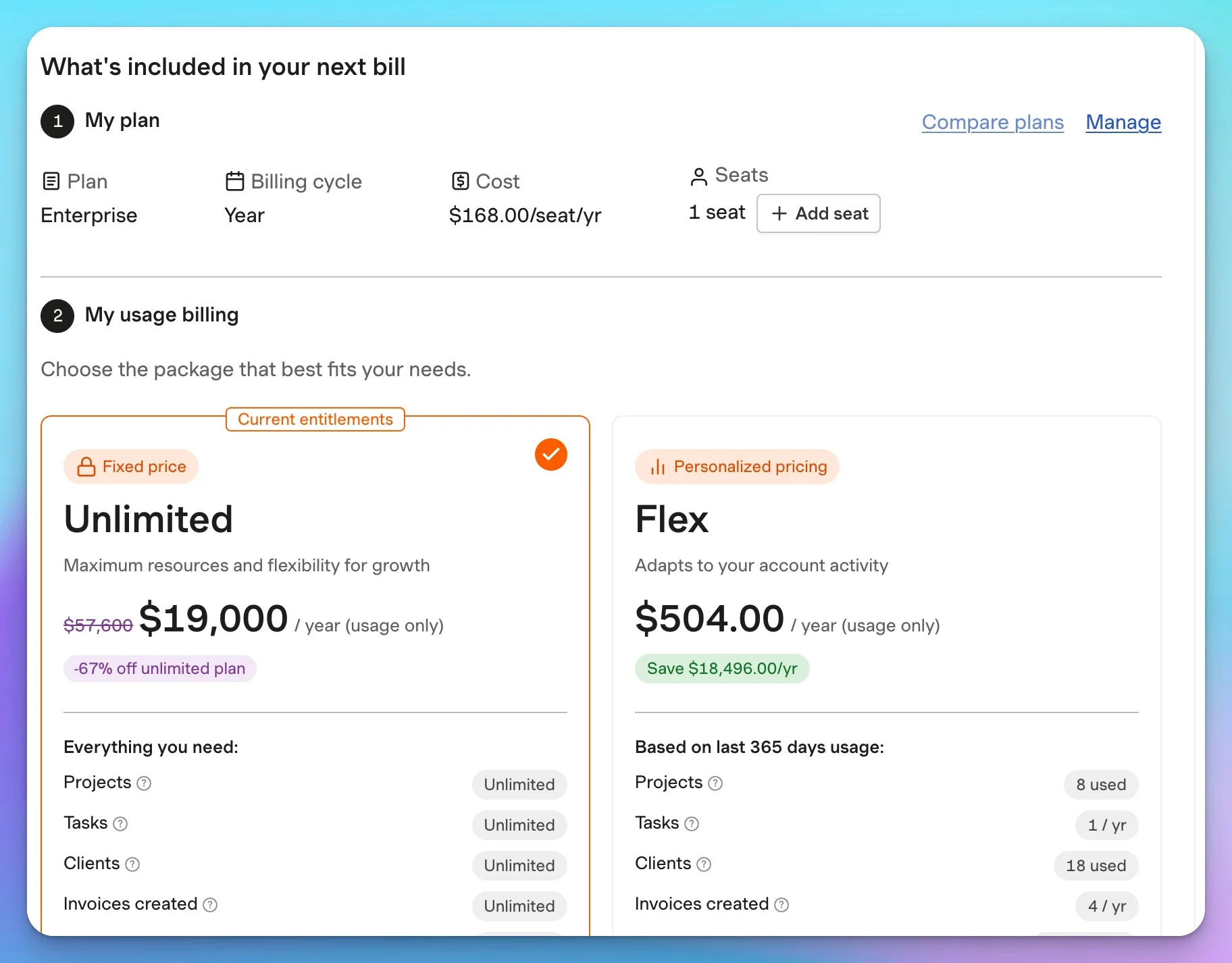
Recently, Harvest introduced a significant price increase. We reached out to the company, and they offered us a discount for the next year. It was a reasonable response, but something had changed for us. The trust was broken. Not because of the discount itself, but because we started wondering what next year would look like, and the year after that.
We decided to cancel.
Building Our Own
Instead of searching for alternatives, we tried something different. We opened Cursor, described what we needed, and started building. A few hours later, we had a working Mac app that handles everything we use daily—time tracking, basic reporting, the features that matter to us.
This approach has a name now: vibecoding. You describe what you want, the AI generates code, you test it, adjust your description, and iterate. We're not professional developers. The AI handled the technical work. We just needed to be clear about what we wanted.
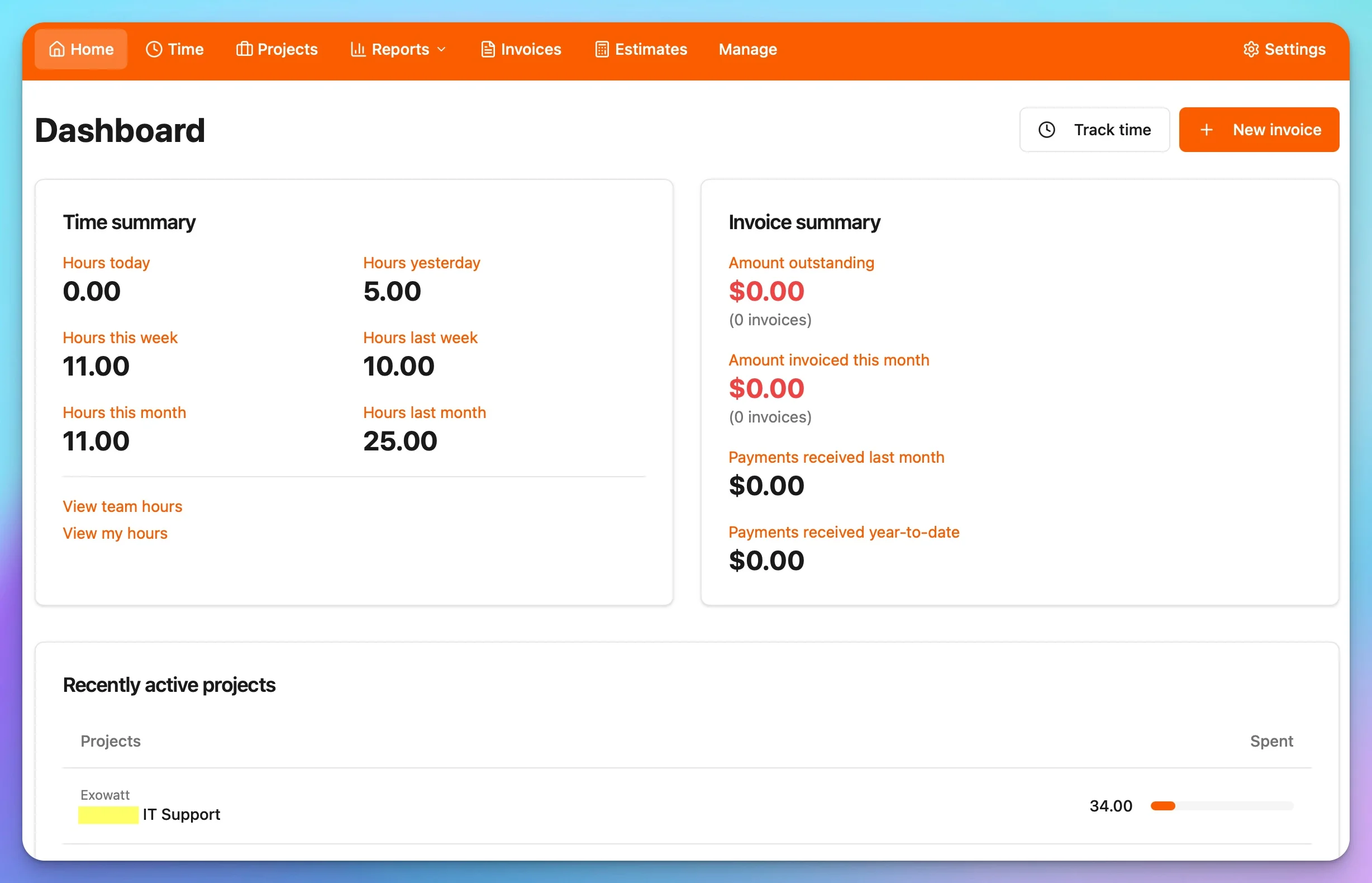
The result isn't Harvest. It doesn't have all of Harvest's features, integrations, or polish. But it has our features—the ones we actually use—and it works.
What is Vibecoding?
Vibecoding is an AI-assisted development approach where you describe what you want to build in natural language, and AI tools like Cursor, GitHub Copilot, or Claude generate the code. You iterate by testing, providing feedback, and refining your description. It's making software development accessible to non-developers for specific use cases.
The Broader Context
This week, software stocks dropped significantly after Anthropic released new AI automation tools. Nearly $1 trillion in market value disappeared over two days as investors reassessed the outlook for subscription software companies.
I'm not suggesting our small experience explains any of that. But it does reflect a shift that's becoming more visible. The barrier to building simple software tools is lower than it used to be. Vibecoding is becoming more mainstream, and for certain use cases, it's genuinely useful.
What This Means for Subscription Software
Enterprise software isn't going anywhere soon. Complex systems with deep integrations, compliance requirements, and large-scale support infrastructure serve needs that a weekend project can't replace.
But there's a category of software that exists in a middle space—tools that are useful but not deeply integrated, that serve specific functions without requiring enterprise-level complexity. Time trackers, note apps, simple project management tools, invoice generators.
For these tools, the calculation is changing. When prices rise or trust erodes, some users now have an option they didn't have before: build something that works for them.
| Traditional Approach | Vibecoding Approach |
|---|---|
| Search for alternatives | Build custom solution |
| Compare features & pricing | Define exact needs |
| Migrate data | Start fresh with what matters |
| Learn new interface | Design your own interface |
| Pay monthly subscription | One-time development effort |
Most people won't do this. Most people don't want to spend hours iterating with an AI to build a time tracker. But some will, and that changes the dynamic slightly. The switching cost isn't what it used to be.
Our Takeaway
We liked Harvest. We recommended it publicly. We were loyal customers. When the pricing changed and trust broke, we discovered that leaving was easier than expected.
That's our experience. It's a small story, but it reflects something real about where software tools and AI coding are heading.
When to Consider Building vs Buying
Building your own tool makes sense when:
- You need only a subset of features from commercial software
- The tool isn't mission-critical or compliance-dependent
- You have time to iterate and refine
- The subscription cost outweighs development time
- You're comfortable with AI-assisted coding tools
Stick with commercial software when:
- You need enterprise features, integrations, or support
- Compliance and security are critical
- You need guaranteed uptime and maintenance
- The tool is central to your business operations
Related Resources
Looking for more insights on business software decisions and AI tools?
Related Articles
More from Business Software
Proton Drive vs Google Drive for Business (2026): Which Fits Your Files?
Compare Proton Drive and Google Drive for business on privacy, collaboration, admin controls, storage, and 2026 pricing. See which fits your team.
11 min read
Proton Unlimited vs Proton Business: Which Plan Is Right in 2026?
Compare Proton Unlimited, Duo, Family and Proton Workspace pricing, storage, domains, admin controls and retention to choose the right plan in 2026.
9 min read

Gusto vs Rippling vs ADP RUN vs Deel (2026): Small-Business Payroll and HR Compared
We compare Gusto, Rippling, ADP RUN, and Deel for small-business payroll, HR, IT provisioning, and global hiring — with pricing verified July 2026.
20 min read