

Understanding Computer Specifications for Business Use: What Actually Matters
Complete guide to business computer specifications in 2026, including Windows Copilot+ PCs vs. Apple Silicon comparison. Learn which processor, RAM, storage, and display specs impact productivity and TCO.


Business computer purchasing decisions directly impact fleet costs and employee productivity. A properly specified laptop deployment costs $1,700–$2,250 per user over five years, while underspecified systems require premature replacement and create productivity bottlenecks. This guide provides technical specifications for business computing in 2026, focusing on processor performance, memory requirements, storage standards, and platform choices that affect total cost of ownership. Once you've established the right specs for your team, see our best business laptops ranked for 2026 for specific model recommendations at every budget tier, or our business PC buying guide for the procurement framework — standardization, OS decisions, warranty planning, and the common purchasing mistakes to avoid.
Quick Reference: Business Computer Specifications by Role
| Component | Basic Office | Professional | Power User |
|---|---|---|---|
| Processor | Core Ultra 3 / Ryzen 3 | Core Ultra 5 (Series 2) / Ryzen 5 | Core Ultra 7/9 or Ryzen AI 300 |
| NPU (AI) | Not Required | 40+ TOPS (Copilot+ Ready) | 50+ TOPS |
| Memory (RAM) | 8GB | 16GB LPDDR5x | 32GB |
| Storage | 256GB SSD | 512GB SSD | 1TB SSD |
| Display | 13-14" Full HD | 14-15" Full HD | 15-16" QHD/4K |
| Battery Life | 6-8 hours | 8-10 hours | 8-12 hours |
| Price Range | $700-$900 | $900-$1,400 | $1,400-$2,200 |
What Processor Do You Need for Business Computers?
Intel Core Ultra 5 (Series 2) and AMD Ryzen 5 processors deliver the ideal balance of performance and battery life for standard business use.
Current Processor Landscape (2026)
The 2026 business processor market is defined by two critical distinctions: efficiency-focused mobile chips (Intel Lunar Lake, AMD Ryzen AI 300) for thin-and-light laptops versus performance-focused chips (Intel Arrow Lake, AMD Ryzen 9000) for desktop workstations.
Intel Core Ultra Series 2 "Lunar Lake" (Mobile): The primary chip for premium business laptops (ThinkPad X1 Carbon Gen 13, Dell XPS 13). Core Ultra 5/7 (Series 2) delivers exceptional battery life (20+ hours) and efficiency for thin-and-light business use, with integrated 48 TOPS NPU for Copilot+ PC capabilities.
Intel "Arrow Lake" (Desktop/Workstation): High-performance chips (Core Ultra 200S/H series) for desktop workstations requiring maximum CPU performance. The Core Ultra 9 285H features 6 P-cores and 8 E-cores with boost clocks up to 5.4 GHz and integrated Arc 140T graphics.
AMD Ryzen AI 300 Series (Strix Point - Mobile): The standard for high-end business mobile in 2026. Ryzen AI 9 HX 370 delivers 16 cores with integrated 50 TOPS NPU for AI workloads and Copilot+ compatibility.
AMD Ryzen 9000 (Zen 5 - Desktop): Desktop-focused architecture for workstation-class performance with enhanced AI capabilities and security features for commercial deployments.
Qualcomm Snapdragon X Elite/Plus (ARM Architecture - Mobile): The original Copilot+ PC platform and Apple Silicon's most direct Windows competitor. Snapdragon X Elite delivers 12-core ARM performance with 45 TOPS NPU, achieving 18-22 hour battery life in devices like the Microsoft Surface Laptop 7 and Dell Inspiron 14 Plus.
Key Considerations for ARM Windows:
- Battery Life Champion: Consistently delivers 18-22 hours of real-world use, exceeding both Intel and AMD efficiency
- Application Compatibility: Most business applications run natively or via emulation (Microsoft 365, Google Workspace, Zoom, Teams), but some specialized software may have compatibility issues
- VPN & Security Stack Compatibility: In 2026, many enterprise VPN clients and EDR (Endpoint Detection and Response) agents still lack native ARM64 builds. Cisco AnyConnect, legacy Symantec/Broadcom agents, and some DLP tools run under x86 emulation or remain unsupported. Validate your full security stack against Snapdragon X before committing to an ARM deployment, especially in regulated industries.
- Best For: Organizations prioritizing maximum battery life for mobile workers, cloud-based workflows, and standard productivity applications
- Avoid If: Your business relies on legacy Windows software, virtualization (Hyper-V limitations on ARM), or specialized industry applications without ARM support
Snapdragon X represents a viable third option for businesses willing to validate application compatibility in exchange for exceptional battery performance.
Understanding Copilot+ PC Requirements
What is a Copilot+ PC? Microsoft's branding for Windows devices with NPUs capable of 40+ TOPS (Tera Operations Per Second) for on-device AI processing. Intel Lunar Lake (Core Ultra Series 2), AMD Ryzen AI 300, and Qualcomm Snapdragon X Elite/Plus all meet this threshold.
Business Benefits:
- Local AI processing without cloud dependency (critical for sensitive data)
- Enhanced video conferencing (real-time background blur, eye contact correction)
- Windows Copilot integration and future AI workflow tools
- Reduced CPU/battery drain for AI tasks
Processor Performance Tiers
Entry Level (Core Ultra 3/Ryzen 3): Suitable for basic office tasks including email, web browsing, document editing, and light spreadsheet work. These processors handle Microsoft Office applications efficiently, though they may struggle with multiple demanding applications running simultaneously.
Professional (Core Ultra 5 Series 2/Ryzen 5): The recommended tier for most business users, providing adequate performance for multitasking, video conferencing, moderate data analysis, and running multiple browser tabs with business applications. The Core Ultra 5 (Series 2) offers strong battery efficiency while Ryzen 5 variants deliver solid multicore performance for productivity workflows.
Power User (Core Ultra 7-9/Ryzen AI 300): Designed for demanding business applications, including advanced data analysis, content creation, software development, and running virtual machines. The Ryzen AI 9 HX 370 handles complex spreadsheets, database operations, and professional software suites with exceptional performance, featuring integrated AI acceleration capabilities.
Market Pricing and Value Analysis (2026)
Business laptop pricing reflects competitive market dynamics with significant value improvements across all segments. Major manufacturers have optimized price-to-performance ratios while incorporating advanced technologies like OLED displays and AI-accelerated processors.
Current Market Pricing:
- Value Business ($899-$999): Dell XPS 13 at $999-$1,199 (new 2026 models with Lunar Lake), $799-$899 for refurbished or previous-gen models
- Professional ($800-$1,400): ThinkPad T14s Gen 6 and HP Pavilion Plus 14 with OLED displays, enhanced battery life, and mobile optimization
- Executive Premium ($1,400-$2,200): ThinkPad X1 Carbon Gen 13 with OLED, Dell XPS 16 for creative professionals, advanced display technology
- Workstation ($2,200+): 16.3-inch OLED workstations with 3.2K resolution, 64GB RAM, specialized for technical and creative professionals
Real-World Performance Considerations
Processor specifications often include technical details that don't directly translate to business performance. Focus on these practical aspects:
- Core Count: Business laptops typically offer 4-8 performance cores; 6+ cores benefits teams running local AI inference, large datasets, or virtual machines
- Base Clock Speed: 2.4-3.0 GHz provides adequate performance for most business tasks without excessive power consumption
- Integrated Graphics: Built-in graphics handle business applications, video conferencing, and multiple monitors without requiring dedicated graphics cards
- Power Efficiency: Modern processors balance performance with battery life, crucial for mobile business users
Windows Copilot+ PCs vs. Apple Silicon: Choosing Your Business Platform
Both Windows Copilot+ PCs and Apple Silicon Macs serve modern business environments, but they represent fundamentally different architectural approaches with distinct deployment considerations.
How Does Apple Unified Memory Compare to Windows DDR5?
Apple's unified memory integrates RAM directly into the processor, making 16GB on a Mac perform similarly to 24GB of DDR5 on a Windows PC. Here is how the two architectures differ in practice.

Windows Copilot+ PCs (Intel Core Ultra Series 2 / AMD Ryzen AI 300):
- Use traditional DDR5 or LPDDR5x RAM separate from the processor
- Memory can be user-upgradeable in some models (ThinkPad T series), but most ultrabooks use soldered LPDDR5x
- 16GB minimum, 32GB recommended for power users
- NPU delivers 40-50 TOPS for on-device AI processing
Apple Silicon (M4/M5):
- Unified memory architecture integrates RAM directly into the processor package
- Memory is always soldered and cannot be upgraded after purchase
- 16GB standard on M5 MacBook Air ($1,099); M4 MacBook Air available at clearance pricing from ~$749. See our M5 vs M4 comparison for current pricing and performance differences
- Neural Engine: 38 TOPS on M4; M5 adds a dedicated Neural Accelerator per GPU core for higher AI throughput
- Unified memory provides faster access for CPU, GPU, and Neural Engine simultaneously
Critical: Memory Decisions Are Permanent
Both Windows ultrabooks with LPDDR5x and all Apple Silicon Macs use soldered memory that cannot be upgraded. Purchase the correct amount upfront:
- Standard business use: 16GB (both platforms)
- Power users, developers, data analysts: 32GB (Windows) or 24-32GB (Mac)
- Workstation-class: 64GB (Windows) or 48-128GB (Mac Pro/Max)
Platform Pricing Comparison (March 2026)
| Configuration | Windows (Copilot+ PC) | Apple Silicon |
|---|---|---|
| Entry Business | ThinkPad E14 Gen 6: $700-$850 Core i3, 8GB, 256GB | MacBook Neo: $599 M4, 16GB unified, 256GB — or step up to — MacBook Air M5 13": $1,099 M5, 16GB unified, 512GB |
| Professional | ThinkPad T14 Gen 6: $1,050-$1,350 Core Ultra 5, 16GB, 512GB | MacBook Air M5 13": $1,299 M5, 16GB unified, 1TB |
| Power User | ThinkPad X1 Carbon Gen 13: $1,650-$2,200 Core Ultra 7, 32GB, 1TB, OLED | MacBook Pro 14" M4: $1,599 M4 Pro, 24GB unified, 512GB |
How Do You Manage a Mixed Fleet of Mac and Windows Computers?
Organizations can use Microsoft Intune to securely provision, manage, and update both Windows and macOS devices from a single dashboard — eliminating the technical barrier to supporting employee platform preferences.
Windows Deployment:
- Microsoft Intune (included with Microsoft 365 Business Premium)
- Windows Autopilot for zero-touch provisioning
- Active Directory / Microsoft Entra ID integration
- Group Policy for centralized configuration
Apple Deployment:
- Apple Business Manager for device enrollment
- Jamf Now ($4/device/month, first 3 free) or Microsoft Intune
- Zero-touch deployment workflows for remote employees
- Managed Apple IDs for business data separation
Cross-Platform Fleet Management
Organizations running mixed Windows/Mac environments can use Microsoft Intune to manage both platforms from a single console. This approach simplifies IT operations for businesses that need to support employee platform preferences while maintaining security standards.
Application Compatibility Considerations
Windows Strengths:
- Native support for all business applications
- Industry-specific software (CAD, engineering, specialized databases)
- Legacy application compatibility
- Broader peripheral and accessory support
macOS Strengths:
- Microsoft 365 fully supported (native Mac apps)
- Google Workspace optimized for browser-based workflows
- Creative professional applications (Final Cut Pro, Logic Pro)
- Windows compatibility via Parallels Desktop or Windows 365 Cloud PC for occasional Windows-only apps
Platform Selection Guidance
Choose Windows Copilot+ PCs when:
- Your business uses Windows-specific applications or databases
- You have existing Active Directory infrastructure
- Industry compliance requires specific Windows-only software
- Your team needs maximum hardware configuration flexibility
Choose Apple Silicon Macs when:
- Your workflows are cloud-based (Microsoft 365, Google Workspace, web apps)
- Battery life and fanless operation are priorities (18+ hours on MacBook Air M4)
- Your team includes creative professionals (design, video, audio)
- You value long-term device longevity (Macs typically serve 6-7 years vs. 4-5 for Windows)
Consider a mixed fleet when:
- Different departments have distinct application requirements
- You want to accommodate employee platform preferences
- Your organization uses Microsoft Intune for unified management
Total Cost of Ownership: 5-Year Comparison
| Factor | Windows Copilot+ PC | Apple Silicon Mac |
|---|---|---|
| Initial Cost | $1,050-$1,350 (Professional) | $1,199-$1,499 (Professional) |
| Expected Lifespan | 4-5 years | 6-7 years |
| Annual Support Cost | $100-$120 | $80-$100 |
| Replacement Cycle | More frequent | Less frequent |
| 5-Year TCO | $1,550-$1,950 | $1,599-$1,899 |
Apple Silicon Macs often provide comparable or lower TCO despite higher initial costs due to longer useful lifespans and lower support requirements.
How Much RAM Does a Business Computer Need in 2026?
A modern business computer requires a minimum of 16GB of RAM, while power users and developers need 32GB for optimal performance.
DDR5 Memory Requirements for Business Computing
DDR5 RAM is the standard for business laptops in 2026. It runs at higher clock speeds with better power efficiency than DDR4, and is the baseline for Copilot+ PC certification. The practical floor for any new business deployment is 16GB — anything less creates bottlenecks before the hardware reaches its third year.
DDR5 Technical Advantages
DDR5 operates at higher frequencies with better power efficiency, delivering faster data transfer rates and reduced latency. Modern business laptops feature dual-channel DDR5 architecture with user-upgradeable configurations, providing strategic flexibility for organizations to adapt to evolving software requirements.
Critical: Soldered RAM in 2026 Ultrabooks
Many 2026 business flagships (ThinkPad X1 Carbon Gen 13, Dell XPS 13, HP EliteBook X) use LPDDR5x memory soldered directly to the motherboard, especially with Intel Lunar Lake chips.
You CANNOT upgrade RAM later. Buy the correct amount upfront:
- 16GB minimum for standard business use
- 32GB for power users, developers, or data analysts
Verify upgradability BEFORE purchasing if future expansion is critical.
How Much RAM Does Each Business Role Need?
Most business roles require 16GB of RAM in 2026. Power users running VMs, large datasets, or development environments need 32GB. Buy the right amount upfront — most 2026 business laptops cannot be upgraded later.

16GB DDR5: Standard Business Configuration
The baseline requirement for business users in 2026. This configuration handles multiple browser tabs, office productivity suites, video conferencing applications, and standard multitasking scenarios.
Suitable for: General business users, managers, sales professionals, and most office-based roles requiring standard multitasking capabilities
32GB DDR5: Professional Standard
The optimal balance between performance and cost-effectiveness for demanding business applications. Accommodates creative professionals, technical specialists, and power users working with resource-intensive applications, virtual machines, large datasets, or complex development environments.
Suitable for: Data analysts, financial modelers, software developers, content creators, and users running specialized business software
64GB DDR5: Workstation Class
Workstation-class configurations for specialized business applications requiring maximum memory capacity. Serves professionals working with AI model training, extensive 3D rendering, large-scale data analysis, or complex engineering simulations.
Suitable for: Technical specialists, AI developers, 3D designers, and professionals requiring maximum memory capacity for specialized workflows
What Storage Specifications Are Best for Business Laptops?
A 1TB NVMe SSD is the recommended storage standard for business laptops, providing necessary speed and capacity for modern OS requirements.
NVMe SSDs: The 2026 Business Standard
NVMe SSDs have become the standard for business computers in 2026, offering superior performance over traditional SATA SSDs. NVMe technology utilizes PCIe interfaces and transfers 25x more data than SATA equivalents, with commands that are 2x faster than AHCI drivers. These benefits directly impact productivity:
- Boot Performance: Systems start in 10-20 seconds with modern NVMe drives
- Application Loading: Business software launches faster with reduced load times compared to traditional storage
- File Operations: Modern NVMe drives achieve over 2 million IOPS for instantaneous file access
- Reliability: No moving parts reduce failure risk and improve durability for mobile business use
- Power Efficiency: Advanced power management extends battery life for laptop users
PCIe 4.0 vs PCIe 5.0
PCIe 4.0 NVMe SSDs remain the practical standard for business laptops, offering excellent performance for typical workflows. PCIe 5.0 technology provides up to 2x faster speeds but carries significant cost premiums, making it suitable primarily for specialized applications like content creation, data analytics, and development environments requiring maximum I/O performance.
Copilot+ Features Accelerate SSD Wear on Small Drives
Running local AI features — including Windows Recall, NPU-powered background processing, and on-device Small Language Models (SLMs) — generates continuous SSD read/write cycles. On a 512GB drive already leaving minimal free space after OS and app installs, sustained AI workloads meaningfully reduce drive endurance over a 4–5 year lifecycle. This is the primary technical reason to mandate 1TB minimum for any Copilot+ deployment, and to avoid 512GB in any configuration where AI features remain enabled.
What Storage Capacity Is Best for Business Laptops?
Business laptops require a minimum 1TB NVMe SSD for optimal performance in 2026. A 512GB drive is only appropriate for cloud-first deployments where minimal local data is stored.
512GB NVMe SSD: Entry-Level Configuration
Entry-level configuration for basic business computing, though increasingly insufficient for modern applications. Windows 11 and business software suites require approximately 160GB, leaving limited space for user data and system operations.
Suitable for: Basic office tasks, cloud-based workflows, and budget-conscious deployments
1TB NVMe SSD: New Business Standard
The new standard for business laptops in 2026, providing adequate space for operating systems, productivity suites, and moderate local storage requirements.
Suitable for: Most business users requiring local file storage and application flexibility
2TB+ NVMe SSD: Professional Standard
The optimal balance between cost and capacity for demanding business applications. Accommodates extensive software installations, local databases, virtual machines, and substantial file storage.
Suitable for: Data analysis, content creation, software development, and users with extensive local storage requirements
4TB+ NVMe SSD: Workstation Class
Workstation-class configurations for specialized business applications requiring maximum storage capacity. Serves professionals working with large datasets, extensive media libraries, or complex development environments.
Suitable for: Technical specialists, data scientists, video editors, and professionals requiring maximum storage capacity
What Display Specifications Matter for Business Productivity?
QHD (2560×1600) displays with 14-15 inch screens provide the optimal balance of visual clarity and portability for business laptops.
Display Technology for Business Use (2026)
Display technology has evolved with OLED panels, high refresh rates, and enhanced resolution standards becoming mainstream in business laptops. These advances impact productivity, visual comfort, and professional workflow efficiency.
Screen Size and Form Factor:
- 13-14 inch: Premium OLED options like Dell Pro 13 with QHD tandem OLED (2560×1600), achieving 21+ hour battery life
- 15-16 inch: Advanced displays like Samsung Galaxy Book 5 Pro with 2880×1800 AMOLED and 48-120Hz variable refresh rates
- 17+ inch: Workstation-class 16.3-inch OLED displays with 3.2K resolution and touch capability for demanding professional applications
Resolution Standards and Visual Quality
QHD OLED (2560×1600): New Business Standard
The new standard for premium business laptops, offering enhanced pixel density without the processing demands of 4K. Tandem OLED implementations provide exceptional battery efficiency while maintaining superior visual quality for professional workflows.
Advantages: Superior contrast ratios, accurate color reproduction, enhanced battery efficiency, and professional-grade visual clarity
4K OLED (3840×2160): Professional Grade
Professional-grade displays covering 80% Adobe RGB and achieving 530+ nits brightness. Four times the pixel density of 1080p with 100% DCI-P3 color coverage for color-critical business applications and content creation workflows.
Consider for: Design work, content creation, detailed data analysis, and users requiring maximum visual precision
Advanced Display Features
Modern business displays feature advanced technologies that enhance productivity:
- Tandem OLED: Premium business laptops feature advanced tandem OLED technology, delivering superior contrast and color accuracy while achieving exceptional battery life exceeding 25 hours
- Variable Refresh Rate (48-120Hz): Adaptive refresh rates provide smooth scrolling and reduced eye strain while optimizing power consumption
- Professional Color Standards: Business OLED displays achieve 100% DCI-P3 color coverage and 85%+ Adobe RGB
- Anti-glare coatings: Reduce reflections in bright office environments while maintaining OLED visual quality
- Blue light reduction: Hardware-level filtering reduces eye strain during extended computer use
How Much Battery Life Do Business Laptops Need?
Business laptops should provide 8-10 hours of real-world battery life for typical office tasks including video conferencing and multitasking.
Real-World Battery Performance
Manufacturer battery life claims often reflect ideal conditions that don't match typical business use. Realistic expectations for business computing:
Typical Business Usage Patterns:
- Light Usage (8-10 hours): Email, web browsing, document editing with screen brightness at moderate levels and WiFi connectivity
- Moderate Usage (6-8 hours): Video conferencing, multitasking between applications, moderate screen brightness, and mixed connectivity
- Heavy Usage (4-6 hours): Continuous video conferencing, high screen brightness, multiple demanding applications, and extensive processor usage
Power Management Features
Modern business computers include power management features that extend battery life and improve user experience:
- Adaptive brightness: Automatically adjusts screen brightness based on ambient lighting conditions
- Processor scaling: Reduces processor speed during light tasks to conserve battery power
- Sleep and hibernation: Quickly suspend operations when not in use while preserving work sessions
- Fast charging: Rapid charging capabilities minimize downtime during brief charging opportunities
Essential Connectivity Standards for Business Laptops in 2026
Business laptops require Thunderbolt 4 or USB4 ports, WiFi 6E or WiFi 7, and HDMI output for modern workplace connectivity needs.
Essential Connectivity Standards
Thunderbolt 5 Specifications
Thunderbolt 5 ports deliver 120 Gbps bandwidth with Bandwidth Boost technology, supporting multiple high-resolution displays and high-speed storage simultaneously. Thunderbolt 5 remains rare in standard business laptops as of March 2026, primarily found in high-end workstations due to power and thermal constraints. Thunderbolt 4 (40 Gbps) remains the standard for 2026 business laptops.
Benefits: 120 Gbps peak bandwidth, 240W power delivery, DisplayPort 2.1 support, and backward compatibility with USB4 V2
WiFi 7 Standards and Benefits
WiFi 7 provides up to 5.19 Gbps throughput with 320MHz channels and Multi-Link Operation (MLO) for reduced latency. Beneficial for businesses requiring high-bandwidth wireless connectivity and real-time collaboration applications.
Advantages: Multi-gigabit wireless speeds, ultra-low latency, enhanced reliability through MLO, and superior performance in dense environments
March 2026 note: The MacBook Air M5 upgraded from Wi-Fi 6E (M4) to Wi-Fi 7 — the first Mac laptop to include it. For Apple-centric fleets, this is a meaningful connectivity step-up that future-proofs devices against Wi-Fi 7 infrastructure rollouts.
Legacy and Transitional Connectivity
While cutting-edge standards like Thunderbolt 5 and WiFi 7 offer superior performance, business environments often require transitional connectivity during technology adoption cycles:
- USB4 V2 ports: Full Thunderbolt 5 compatibility with enhanced peripheral support and DisplayPort 2.1 integration
- USB-A ports: Support existing peripherals and accessories without requiring adapters during transition periods
- HDMI 2.1 output: Direct connection to high-refresh displays and conference room equipment with 4K@120Hz support
- 2.5 Gigabit Ethernet: Enhanced wired connectivity for high-performance networking and secure connections
- 5G/LTE Cellular (eSIM): Built-in cellular connectivity for mobile professionals who need secure internet access without relying on public WiFi. Essential for field sales, executives, and remote workers in locations with unreliable WiFi
- Audio jack: Headset connectivity for video conferencing and professional audio applications
Docking Station Standardization
Fleet-wide docking station standardization eliminates the "one laptop, five different docks" problem that plagues many organizations. A standardized USB-C or Thunderbolt 4 docking strategy provides critical operational benefits:
The "One Dock, All Laptops" Strategy:
When purchasing business laptops, verify that all models in your fleet support the same docking standard (typically Thunderbolt 4 or USB4). This enables:
- Hot desking: Any employee can sit at any desk and connect via the same dock
- Reduced inventory: Stock one dock model instead of multiple vendor-specific solutions
- Simplified IT support: Technicians learn one dock troubleshooting process
- Cost savings: Volume purchasing of a single dock model provides better pricing
Recommended Docking Standards for 2026:
- Thunderbolt 4 docks: Universal compatibility with Intel and AMD business laptops, 40 Gbps bandwidth, supports dual 4K displays or single 8K display
- USB4 docks: Slightly lower cost than Thunderbolt 4, adequate for most business use cases
- Power delivery: Minimum 90W, 100W+ preferred for 15-16 inch laptops
Avoid: Proprietary vendor-specific docking connectors. Dell, HP, and Lenovo all offer USB-C/Thunderbolt docking now—there's no reason to lock into a single vendor's ecosystem.
What Security Features Do Business Computers Need?
TPM 2.0 chips, BitLocker encryption support, and biometric authentication (fingerprint or facial recognition) are essential security features for business laptops.
Hardware-Based Security
TPM (Trusted Platform Module)
TPM chips provide hardware-based security for encryption keys, passwords, and digital certificates. TPM 2.0 is essential for Windows 11 business deployments and advanced security features, including BitLocker encryption (available in Windows 11 Pro and Enterprise editions).
Business Benefits: Secure boot processes, hardware-based encryption, and compliance with enterprise security policies
Microsoft Pluton Security Processor
Microsoft Pluton represents the next evolution of hardware security, integrating the security processor directly into the CPU die rather than as a separate TPM chip. As of 2026, Pluton is built into Qualcomm Snapdragon X Elite/Plus, AMD Ryzen AI 300 series, and Intel Core Ultra processors.
Pluton Advantages:
- Firmware Protection: CPU-integrated security prevents physical attacks that could compromise separate TPM chips
- Automatic Updates: Security firmware updates delivered through Windows Update without vendor-specific tools
- Zero Trust Ready: Enhanced credential protection for passwordless authentication and Azure AD integration
- Supply Chain Security: Eliminates vulnerabilities from discrete security chip manufacturing
For organizations deploying Windows 11 with modern endpoint security requirements, Pluton-enabled processors provide defense-in-depth protection that exceeds traditional TPM 2.0 implementations.
Biometric Authentication
Modern business computers often include biometric authentication options that improve security while enhancing user convenience:
- Fingerprint readers: Quick and secure login without password entry
- Facial recognition: Hands-free authentication using built-in cameras
- Smart card readers: Integration with existing enterprise authentication systems
Business Computer Blueprints: Matching Specifications to Roles
Different business roles require different computer specifications. These blueprints provide practical guidance for common business scenarios.
Essential Office Blueprint
For Basic Business Tasks and Budget-Conscious Deployments
| Specification | Recommendation |
|---|---|
| Processor | Intel Core i3-1315U or AMD Ryzen 3 7330U |
| Memory | 8GB DDR4 RAM |
| Storage | 256GB SSD |
| Display | 14" Full HD (1920×1080) |
| Battery | 6-8 hours typical usage |
| Connectivity | WiFi 6, Bluetooth 5.0, USB-C, USB-A |
Suitable Applications: Email, web browsing, Microsoft Office, basic accounting software, and single-task workflows
Example Systems: Lenovo ThinkPad E14 Gen 6 ($700-$850), Dell Inspiron 14 ($650-$750), ASUS VivoBook 14 ($600-$700)
Total Cost of Ownership: $700-$850 initial investment with 4-5 year expected lifespan
Professional Productivity Blueprint
For Standard Business Users and Mobile Professionals
| Specification | Recommendation |
|---|---|
| Processor | Intel Core i5-1340P or AMD Ryzen 5 7540U |
| Memory | 16GB DDR4/DDR5 RAM |
| Storage | 512GB SSD |
| Display | 14-15" Full HD with anti-glare coating |
| Battery | 8-10 hours typical usage |
| Connectivity | WiFi 6E, Bluetooth 5.1, multiple USB-C, HDMI |
Suitable Applications: Multitasking, video conferencing, moderate data analysis, CRM systems, and mobile productivity
Example Systems: Lenovo ThinkPad T14 Gen 6 ($1,050-$1,350), Dell Latitude 5440 ($950-$1,250), HP EliteBook X G1a ($1,100-$1,400)
Fleet Management Note: For organizations deploying 10+ units, specify Intel vPro or AMD PRO processor variants to enable remote management capabilities (out-of-band management, remote BIOS updates, hardware-level security features). vPro/PRO adds approximately $50-$100 per unit but significantly reduces IT support overhead for distributed workforces.
Total Cost of Ownership: $1,050-$1,350 initial investment with 5-6 year expected lifespan
Power User Blueprint
For Demanding Applications and Specialized Workflows
| Specification | Recommendation |
|---|---|
| Processor | Intel Core i7-1360P or AMD Ryzen 7 7740U |
| Memory | 32GB DDR5 RAM |
| Storage | 1TB SSD |
| Display | 15-16" QHD (2560×1440) or 4K |
| Battery | 8-12 hours with power management |
| Connectivity | WiFi 6E, Bluetooth 5.2, Thunderbolt 4, multiple ports |
Suitable Applications: Data analysis, software development, content creation, virtual machines, and complex modeling
Example Systems: Lenovo ThinkPad X1 Carbon Gen 13 ($1,650-$2,200), Dell XPS 15 ($1,500-$2,050), HP ZBook Studio 16 ($1,700-$2,350)
Enterprise Management: Power user deployments should include Intel vPro or AMD PRO for centralized fleet management, especially for remote developers and technical staff requiring secure remote troubleshooting and BIOS-level management.
Total Cost of Ownership: $1,650-$2,200 initial investment with 6-7 year expected lifespan
2026 Technology Trends Impacting Business Computing
Several technology trends are shaping business computer specifications and purchasing decisions in 2026.
AI-Enhanced Processors
Neural Processing Units (NPUs) are becoming standard in business processors, enabling on-device AI processing for applications like intelligent document processing, real-time language translation, and enhanced video conferencing features.
Hybrid Work Optimization
Manufacturers are optimizing systems for hybrid work scenarios with improved cameras, microphones, and speakers for video conferencing, along with better wireless connectivity and battery management for mobile use.
Webcam Requirements for 2026:
A 1080p webcam with an IR sensor for Windows Hello is the bare minimum requirement for 2026 business laptops. Specific standards include:
- Resolution: 1080p (1920×1080) minimum; 2K or 4K for executive/presentation roles
- HDR / AI Lighting: A 1080p sensor is inadequate when a user is backlit by office windows. Require either hardware-level HDR support or NPU-driven studio lighting correction (available on Copilot+ PCs via Windows Studio Effects). Without it, image quality degrades in any real-world office with natural light — regardless of resolution.
- Frame Rate: 30 fps minimum; 60 fps preferred for smooth motion
- IR Sensor: Required for Windows Hello facial recognition (hands-free secure login)
- Privacy Shutter: Physical camera cover for security compliance
- Field of View: 78-90 degrees for single-user framing; 120+ degrees for conference room use
Audio Specifications:
Modern business laptops require professional-grade audio for hybrid work effectiveness:
- Microphones: Dual-array or quad-array with AI noise cancellation (filters keyboard typing, background conversations)
- Speakers: Stereo configuration with Dolby Atmos or similar spatial audio
- Audio Certification: Zoom Certified, Microsoft Teams Certified, or similar platform optimization
- 3.5mm Jack: Essential for wired headset compatibility (USB-C audio adapters are unreliable in professional settings)
Quick Reference Table Addition:
These specifications should appear in purchasing decisions alongside processor and memory requirements. A laptop with a Core Ultra 7 processor but a 720p webcam creates a poor hybrid work experience that undermines the hardware investment.
Repairability, Sustainability & ESG Compliance
Enterprise buyers are increasingly scrutinized on ESG (Environmental, Social, and Governance) goals and e-waste reduction. Hardware repairability is now a direct procurement consideration for organizations with sustainability commitments.
Vendor Repairability Comparison:
- Lenovo ThinkPad T-series: Formal partnership with iFixit for official repair documentation and genuine spare parts. Among the highest repairability scores of any business laptop line. Replaceable battery, SSD, and RAM (on select LPCAMM2 models).
- Apple MacBook: Apple Self Service Repair program provides genuine parts and repair manuals for select repairs, though scope is limited and DIY repair voids AppleCare on most components.
- HP EliteBook / Dell Latitude: Both publish IT service manuals and support field-replaceable components (battery, SSD on many models). HP's recycled-content program and Dell's closed-loop aluminum recycling are among the stronger OEM sustainability programs.
For any organization tracking Scope 3 emissions or facing procurement compliance questions, Lenovo ThinkPad T-series and HP EliteBook currently offer the clearest repairability and documentation story. Business computers increasingly use recycled materials (aluminum, ocean plastics) and longer product lifecycles — but repairability is the most direct lever for reducing e-waste.
Total Cost of Ownership Analysis
Understanding the complete cost of business computer ownership helps make informed purchasing decisions that balance initial investment with long-term value.
5-Year TCO Comparison
| Configuration | Initial Cost | Annual Support | 5-Year Total |
|---|---|---|---|
| Budget Configuration | $750 | $120 | $1,350 |
| Professional Configuration | $1,200 | $100 | $1,700 |
| Power User Configuration | $1,850 | $80 | $2,250 |
Higher-specification systems often provide better long-term value through improved productivity, reduced support requirements, and longer useful lifecycles.
For organizations scaling beyond 50 units or managing a mixed Windows/Mac fleet, a custom technology assessment can identify hardware bottlenecks and deployment inefficiencies before they become budget problems. Our IT consulting team regularly helps businesses right-size hardware specs by role — avoiding both underspec and overspec waste.
Current Processor Landscape: Panther Lake Arrives
Intel's Core Ultra Series 3 "Panther Lake" processors launched at CES 2026 and began shipping in mainstream business laptops in late January/February 2026, faster than initially projected.
Panther Lake (Core Ultra Series 3): Now Shipping
Intel's 18A manufacturing node processors are now available in business laptops like the Lenovo ThinkBook 14+ and 16+, featuring chips such as the Core Ultra X7 358H. These processors deliver efficiency improvements over Lunar Lake while maintaining Copilot+ PC capabilities (40+ TOPS).
Current Processor Options for Business (March 2026):
- Core Ultra Series 2 (Lunar Lake): Proven platform with 20+ hour battery life, widely available across ThinkPad X1, Dell XPS, and HP EliteBook lines
- Core Ultra Series 3 (Panther Lake): Newest generation with improved efficiency, currently available in select ThinkBook and mainstream models, expanding availability throughout Q2 2026. Note: As of March 2026, Panther Lake availability remains significantly more constrained than Lunar Lake (Series 2) — far fewer laptop SKUs and configurations exist across major OEM lines. Don’t delay a planned deployment waiting for wider Panther Lake model selection.
- AMD Ryzen AI 300 (Strix Point): Strong alternative with 50 TOPS NPU, excellent multicore performance
Purchasing Guidance: Both Lunar Lake (Series 2) and Panther Lake (Series 3) are solid choices for 2026 deployments. Lunar Lake offers proven stability and wider model selection, while Panther Lake provides cutting-edge efficiency for organizations willing to adopt the newest platform. Choose based on availability and specific model requirements rather than waiting for broader Panther Lake adoption.
LPCAMM2: Mainstream Adoption Accelerating
LPCAMM2 memory modules allow thin laptops to have user-replaceable RAM, solving the soldered LPDDR5x limitation that has plagued ultrabooks for years.
March 2026 Status: LPCAMM2 is moving faster into mainstream business laptops than anticipated. Lenovo's ThinkBook 16+ (priced around $1,240) now ships with LPCAMM2, bringing upgradeable memory to the professional tier. Dell and HP are expected to follow with LPCAMM2 options in their Latitude and EliteBook lines throughout Q2-Q3 2026.
Current Reality: Most ultrabooks (ThinkPad X1 Carbon, Dell XPS 13, MacBook Air) still use soldered memory, but the professional/mainstream segment ($1,000-$1,500) is rapidly adopting LPCAMM2. If memory upgradability is important for your 4-6 year lifecycle planning, LPCAMM2-equipped models are now available without premium workstation pricing.
Purchasing Tip: Explicitly verify LPCAMM2 support when ordering. Some models within the same product line may offer both soldered and LPCAMM2 configurations depending on processor choice.
RAM Price Warning: AI Server Demand Impact
What began as a CES 2026 supply warning has escalated into what memory industry analysts are now calling a "memory pandemic." AI datacenter demand from NVIDIA Blackwell and Rubin clusters is actively crowding out enterprise PC procurement — Framework alone has raised RAM module prices three times since January 2026. As of March 2026, 32GB and 64GB configurations are already noticeably more expensive than Q4 2025 pricing, with analysts projecting further deterioration through Q3 as AI infrastructure buildouts show no sign of abating.
March 2026 Purchasing Urgency
Buy Now for High-Capacity Configs: 32GB and 64GB configurations are already more expensive than three months ago. Q3 2026 pricing is expected to be significantly higher — treat the 20-30% increase as the floor, not the ceiling.
Enterprise Buyers Being Crowded Out: AI server operators are consuming DRAM supply at a rate that is leaving enterprise PC buyers with fewer configuration options and longer lead times. If your refresh was planned for H2 2026, move it forward.
Budget Aggressively: Factor a 30-40% RAM cost premium into any H2 2026 hardware budgets for configurations of 32GB or higher.
Bottom Line: CES 2026 validated our current guidance—Lunar Lake and Ryzen AI 300 are the right platforms for business deployments now, while emerging technologies (Panther Lake, LPCAMM2) remain 6-12 months from broad availability.
IT Procurement Specs Checklist 2026
Use this checklist when evaluating business computer purchases to ensure all critical specifications and deployment requirements are addressed.
Core Hardware Specifications
Processor (CPU):
- Intel Core Ultra 5/7 (Series 2 or 3), AMD Ryzen 5/7 AI 300, or Qualcomm Snapdragon X Elite
- Minimum 40 TOPS NPU for Copilot+ PC capabilities
- Intel vPro or AMD PRO enabled for fleets of 10+ units
- Microsoft Pluton security processor integrated (standard in 2026 chips)
Memory (RAM):
- 16GB minimum (standard business use)
- 32GB for power users, developers, data analysts
- Verify if memory is soldered (LPDDR5x) or upgradeable (LPCAMM2)
- Critical: Purchase correct amount upfront—most 2026 ultrabooks cannot be upgraded
Storage:
- 1TB NVMe SSD minimum (512GB acceptable for budget deployments)
- PCIe 4.0 or newer
- Verify boot times: 10-20 seconds expected
Display:
- 14-15 inch for mobile professionals
- QHD (2560×1600) or Full HD (1920×1080) minimum
- Anti-glare coating for office environments
- OLED optional for color-critical work
Battery Life:
- 8-10 hours real-world usage (standard business tasks)
- 18-22 hours for ARM-based Windows (Snapdragon X)
- Verify manufacturer claims match independent reviews
Connectivity & Peripherals
Ports & Standards:
- Thunderbolt 4 or USB4 (minimum 2 ports)
- USB-A port for legacy peripherals
- HDMI 2.1 output for presentations
- 3.5mm audio jack (USB-C audio adapters unreliable)
- 5G/LTE cellular (eSIM) for mobile workers (optional but recommended)
Wireless:
- WiFi 6E or WiFi 7
- Bluetooth 5.2 or newer
Webcam & Audio (Hybrid Work):
- 1080p webcam with IR sensor (Windows Hello) + HDR or NPU-driven studio lighting support
- Dual-array or quad-array microphones with AI noise cancellation
- Zoom/Teams certified audio (verify manufacturer spec sheet)
Security & Management
Hardware Security:
- TPM 2.0 (required for Windows 11)
- Microsoft Pluton security processor (integrated in modern CPUs)
- Fingerprint reader or IR facial recognition
- Physical camera privacy shutter
Software & Licensing:
- Windows 11 Pro (minimum) or Enterprise for VDI deployments
- BitLocker encryption enabled
- Microsoft Intune or third-party MDM compatibility verified
Fleet Deployment Considerations
Standardization:
- Docking station compatibility (Thunderbolt 4/USB4 standard across fleet)
- Consistent model/configuration for simplified IT support
- Volume pricing negotiated for orders of 10+ units
Lifecycle Planning:
- 4-6 year expected lifespan for professional configurations
- Warranty: 3-year minimum, on-site service preferred
- Spare parts availability confirmed with vendor
Platform Decision:
- Windows (Intel/AMD/Snapdragon) vs. Mac (Apple Silicon) evaluated
- Application compatibility verified (especially for ARM Windows)
- MDM deployment strategy confirmed (Intune, Jamf Now, etc.)
Total Cost of Ownership
Budget Planning:
- Initial hardware cost: $1,000-$2,200 per user (professional tier)
- Annual support/warranty: $80-$120 per user
- 5-year TCO calculated: $1,700-$2,250 per user
- Cloud PC alternative evaluated (Windows 365 vs. local hardware)
Procurement Timeline:
- Q1 2026 purchases prioritized (RAM prices rising 20-30% in Q2)
- Pilot deployment scheduled before full rollout
- Phased deployment plan created for large orders (50+ units)
Implementation Strategy and Purchasing Considerations
Successful business computer deployments require careful planning, considering immediate and future needs.
Standardization Benefits
Standardizing on specific computer models and configurations provides several business advantages:
- Simplified Support: Technicians become familiar with common hardware configurations, reducing troubleshooting time
- Volume Pricing: Purchasing multiple identical systems often provides better pricing and warranty terms
- Inventory Management: Standardized components and accessories simplify spare parts inventory
- User Training: Consistent interfaces reduce training requirements when users switch between systems
For a step-by-step procurement checklist that covers standardization, OS decisions, warranty planning, and role-based device selection, see our business PC buying guide.
Phased Deployment Approach
Large computer deployments benefit from phased implementation:
- Phase 1: Pilot deployment with key users to validate specifications and identify issues
- Phase 2: Department-by-department rollout based on business priorities and budget availability
- Phase 3: Complete deployment with lessons learned from earlier phases
- Phase 4: Ongoing refresh cycle based on system lifecycle and business needs
Local Hardware vs. Cloud PCs: When to Buy Thin Clients

The rise of cloud computing platforms like Windows 365 and Azure Virtual Desktop has created a strategic decision point: should your business invest in high-specification local hardware or deploy lower-cost thin clients with cloud-based computing power?
Understanding Cloud PC Architecture
Windows 365 Cloud PC:
- Full Windows 11 desktop running in Microsoft's Azure cloud
- Users access via browser or Remote Desktop client from any device
- Computing power, storage, and applications run entirely in the datacenter
- Pricing: $31-$66 per user/month depending on configuration (2 vCPU/8GB to 8 vCPU/32GB)
Azure Virtual Desktop (AVD):
- Enterprise-grade virtual desktop infrastructure for larger organizations
- More flexible than Windows 365 but requires Azure infrastructure management
- Pay-as-you-go pricing based on actual compute usage
- Requires Windows 11 Enterprise licensing for VDI rights
Thin Client Hardware Requirements
When deploying cloud PCs, endpoint hardware requirements drop dramatically:
| Component | Thin Client Spec | Cost Impact |
|---|---|---|
| Processor | Intel Celeron or AMD Athlon (2-4 cores) | $150-$200 savings |
| Memory | 4-8GB (only runs Remote Desktop client) | $50-$100 savings |
| Storage | 64-128GB (no local applications) | $30-$50 savings |
| Graphics | Basic integrated graphics | $0 (no discrete GPU needed) |
| Total Device Cost | $400-$600 vs. $1,200-$1,800 for traditional laptop | $600-$1,200 savings per user |
Example Thin Client Devices:
- HP t540 Thin Client: $450-$550
- Dell Wyse 5070: $400-$500
- Lenovo ThinkCentre M75n: $380-$480
Decision Framework: Local vs. Cloud
Choose Local Hardware (Traditional Laptops) When:
- Offline work is critical: Field sales, remote locations without reliable internet, travel
- Application performance matters: CAD, video editing, large dataset analysis requiring local processing power
- Latency-sensitive workflows: Real-time audio production, gaming development, high-frequency trading
- Data sovereignty requirements: Healthcare, legal, or financial regulations prohibiting cloud data storage
- One-time capital expenditure preferred: Avoid recurring monthly cloud subscription costs
Choose Cloud PCs + Thin Clients When:
- Workforce is primarily office/home-based: Reliable broadband connectivity at all work locations
- Security is paramount: Centralized data storage eliminates endpoint data loss risks
- Rapid scaling needed: Onboard 50 new employees without waiting for hardware procurement
- BYOD (Bring Your Own Device) strategy: Employees use personal devices to access corporate cloud desktop
- Disaster recovery is critical: Users can access full desktop from any location if primary office is unavailable
- IT support is limited: Centralized management reduces endpoint troubleshooting
Hybrid Approach: The Practical Reality
Most businesses in 2026 deploy a hybrid model:
Cloud PC Users (40-60% of workforce):
- Administrative staff
- Customer service representatives
- Data entry personnel
- Call center employees
- Employees with reliable office/home internet
Local Hardware Users (40-60% of workforce):
- Field sales and service technicians
- Executives requiring offline productivity
- Creative professionals (design, video, engineering)
- Developers requiring local development environments
- Employees in locations with unreliable connectivity
Total Cost of Ownership: 5-Year Comparison
Traditional Laptop Deployment (per user):
- Hardware: $1,200 (ThinkPad T14)
- Annual support: $100
- Replacement cycle: 5 years
- 5-Year TCO: $1,700
Cloud PC + Thin Client Deployment (per user):
- Thin client hardware: $500
- Windows 365 Business (4 vCPU/16GB): $51/month × 60 months = $3,060
- Annual support: $50 (reduced, centralized management)
- Thin client replacement: 7+ years (longer lifespan)
- 5-Year TCO: $3,810
Cloud PC Economics
Cloud PCs have higher 5-year TCO than traditional laptops for most standard business users. The value proposition centers on operational benefits (security, flexibility, disaster recovery) rather than cost savings.
Cloud PCs make financial sense when:
- Rapid scaling/descaling is frequent (seasonal workforce, project-based hiring)
- Security/compliance requirements justify the premium
- Existing hardware can be repurposed as thin clients (extending useful life)
Internet Bandwidth Requirements
Cloud PC deployments require adequate internet bandwidth:
- Minimum per user: 1.5 Mbps download / 1 Mbps upload
- Recommended per user: 4-6 Mbps download / 2-3 Mbps upload
- For 50-user office: 200-300 Mbps download / 100-150 Mbps upload minimum
- Latency (critical): High bandwidth alone is not enough. Azure Virtual Desktop and Windows 365 require sub-50ms round-trip latency to the nearest Azure datacenter for a seamless desktop experience. A 1 Gbps connection with 120ms latency still produces degraded input responsiveness and choppy video. Test your location's latency to Azure regions before committing to a Cloud PC deployment.
Insufficient bandwidth — or insufficient latency — creates screen tearing, input lag, and a poor user experience that negates the cost savings of a cloud desktop model.
Affiliate Disclosure: This article contains affiliate links. If you make a purchase through these links, we may earn a small commission at no extra cost to you. As an Amazon Associate, iFeelTech earns from qualifying purchases.
Frequently Asked Questions
Related Articles
More from Business Hardware
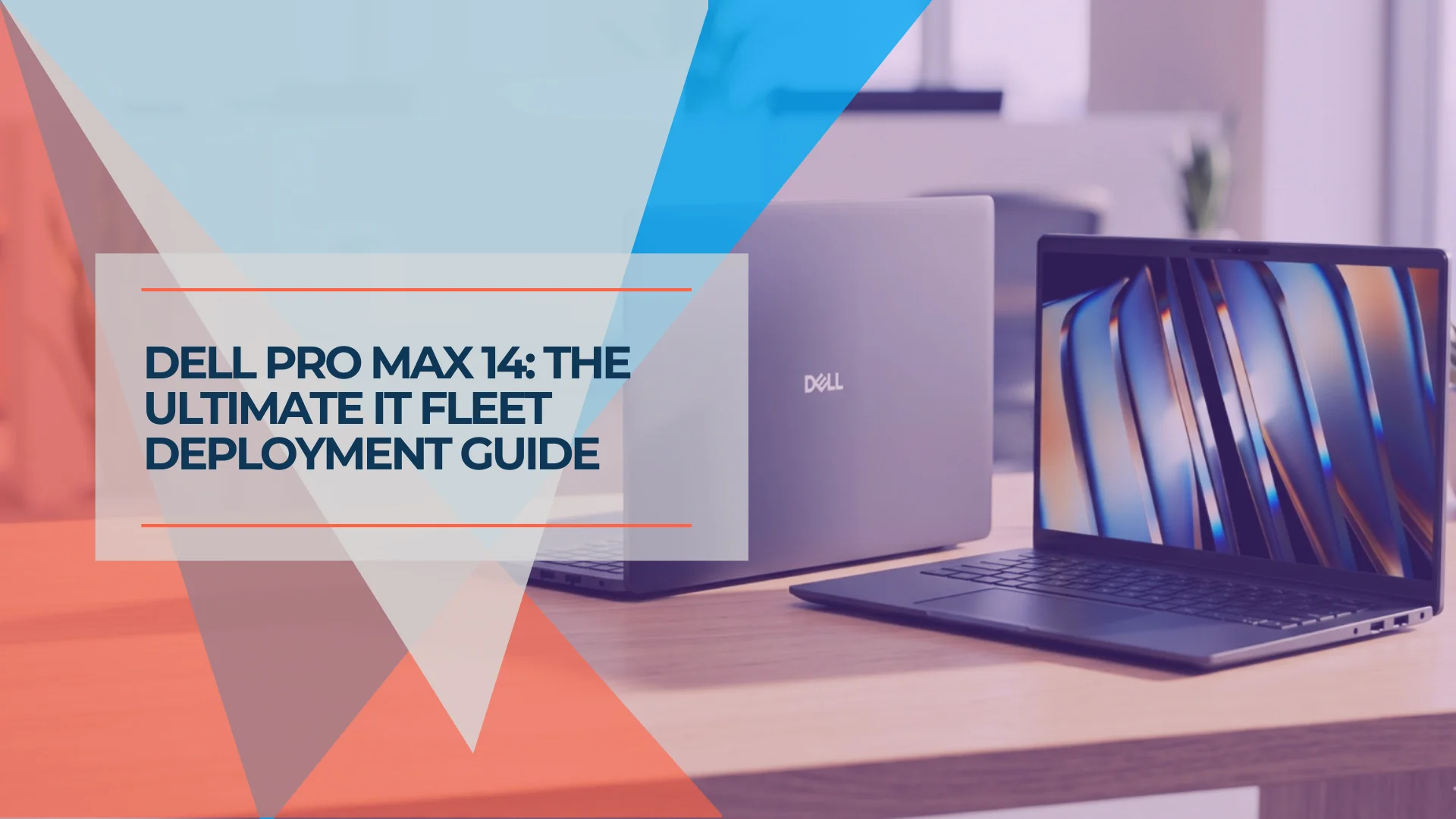
Dell Pro Max 14 Review: The Business Deployment Verdict (2026)
Dell Pro Max 14 review for IT managers and small business buyers. ProSupport, Autopilot enrollment, fleet deployment, and whether it's worth switching from Precision.
19 min read
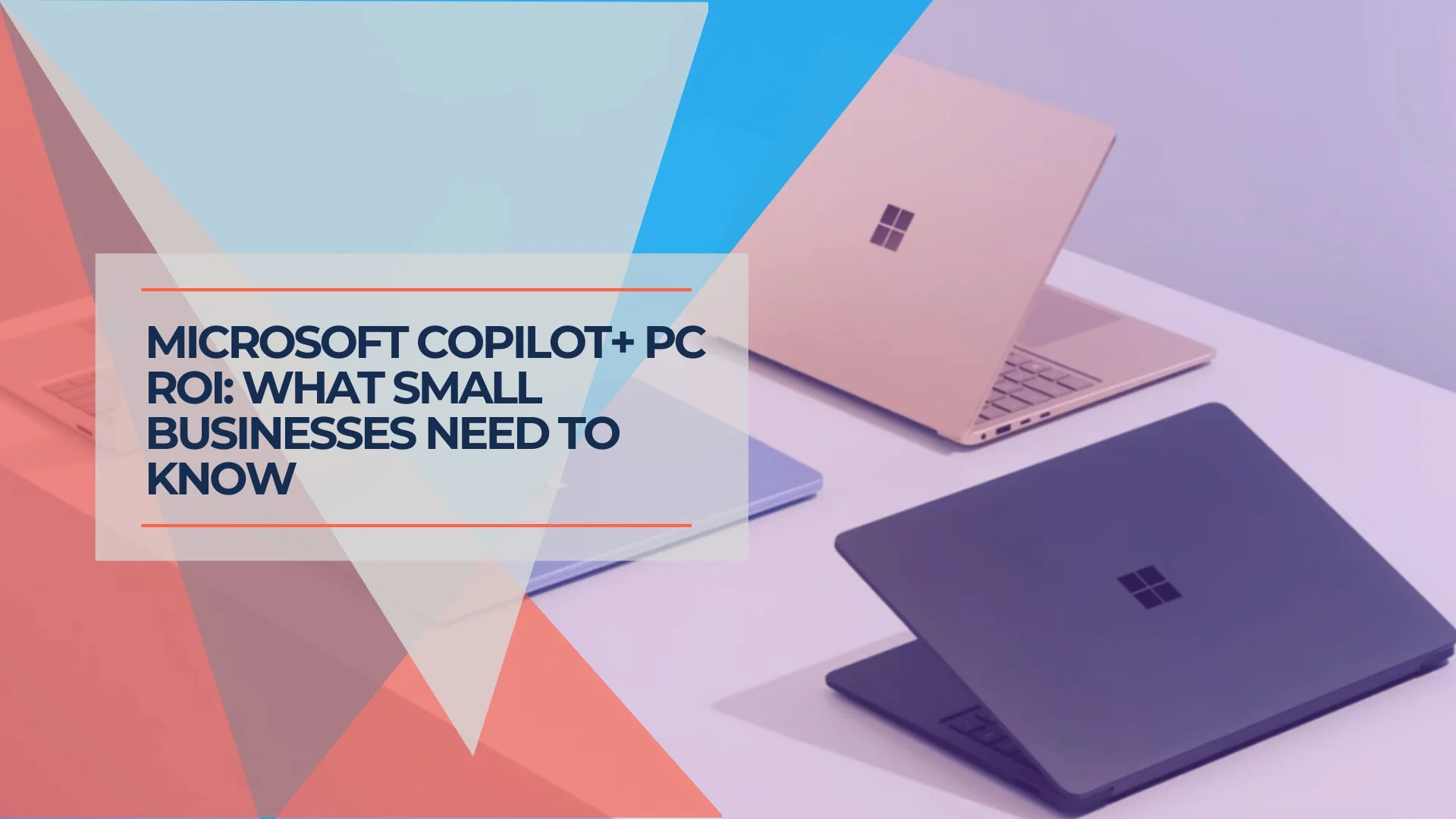
Copilot+ PCs for Business: Worth the Investment in 2026?
After 18 months on the market, do Copilot+ PCs justify the NPU premium? Expert analysis of proven ROI, current pricing, and real-world business use cases.
9 min read
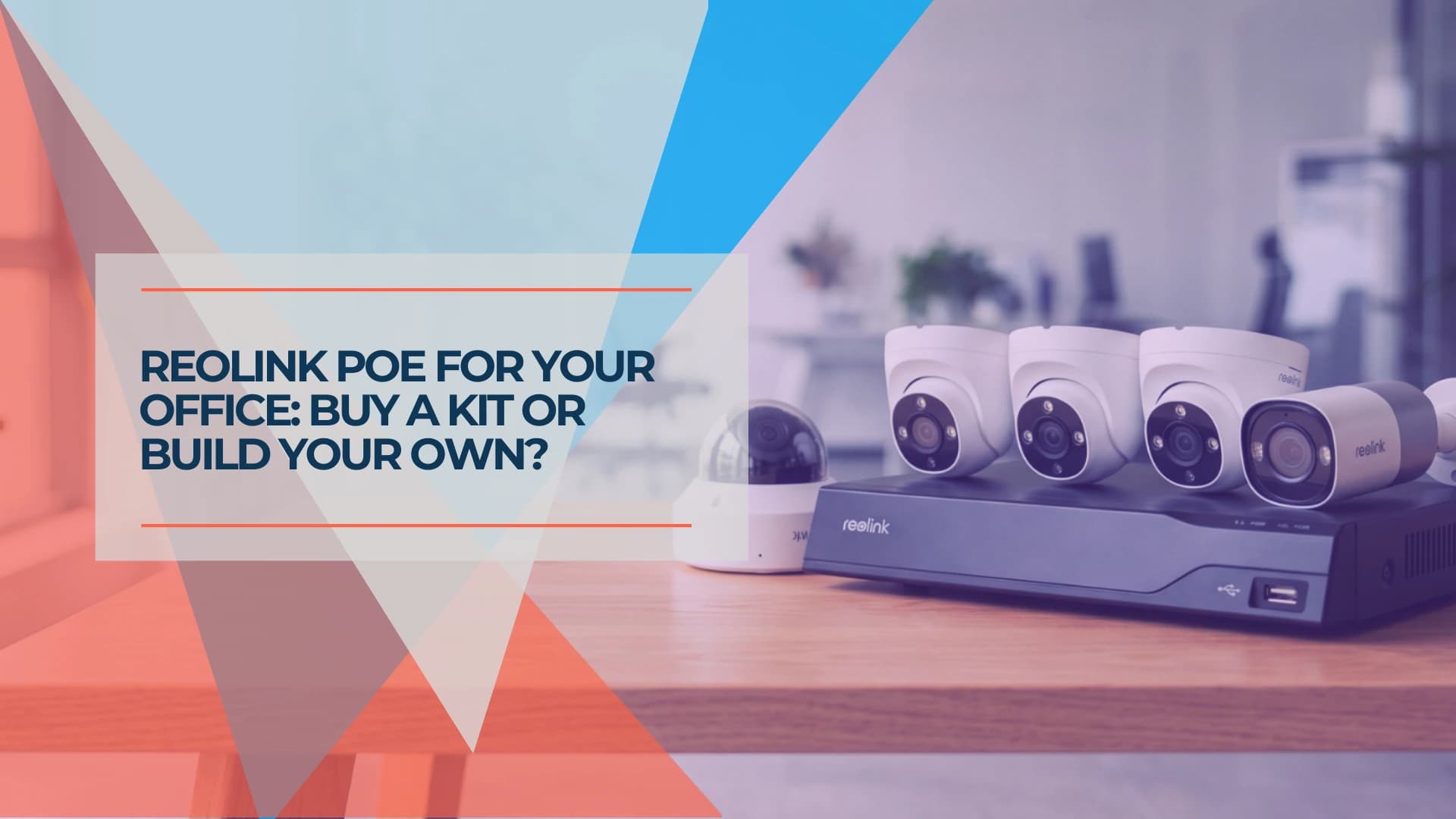
Reolink PoE Kit vs. Separate Cameras: Small-Office Buying Guide
Compare a Reolink Professional kit with separate cameras and an NVR for a small office: matched prices, PoE limits, storage and install costs to budget for.
19 min read